
Buy Medical Grade Botanical Skincare

Table of Contents
What Medical Grade Botanical Skincare Actually Means
How to Spot Greenwashing in Beauty Products
Botanical Skincare for Sensitive Skin: What Works
Frequently Asked Questions
Last Updated: October 11, 2026
What Medical Grade Botanical Skincare Actually Means
Medical grade botanical skincare combines plant-derived active ingredients with scientific formulation standards. Unlike conventional cosmetics, medical grade formulations are engineered at therapeutic concentrations, meaning the botanical compounds are present in quantities proven to deliver measurable skin benefits.
Pro Tip Medical grade doesn't mean synthetic. It means the botanical ingredients meet pharmaceutical-level purity standards and are present at concentrations backed by research, not marketing claims.
How to Spot Greenwashing in Beauty Products
Greenwashing in beauty means making vague natural claims without substance. Brands often use "medical grade" without meeting any standard and hide weak botanical concentrations behind flowery language.
Watch for "natural-inspired" (synthetic copies), "made with botanicals" (could be 1%), and "clinically proven" without linked studies. Unverifiable certifications offer no credibility.
Check the ingredient list for Latin (INCI) names in descending order of concentration. If the label says "botanical blend" without naming each plant, the brand is hiding the formula.
Look for active concentrations specified as percentages (e.g., "Centella asiatica extract 5%").
Even genuine botanical ingredients can irritate sensitive skin.
Watch Out Natural does not mean safe or non-irritating. Poison ivy is natural. Always patch test botanical products, especially if you have sensitive or sensitised skin.
Botanical Skincare for Sensitive Skin: What Works
Sensitive skin is a skin type you're born with; sensitised skin is temporary, caused by harsh products or over-exfoliation. Both respond well to the right botanical ingredients.
Plant compounds like chamomile, calendula, and Centella asiatica reduce redness and soothe irritation. However, natural doesn't mean non-irritating, patch testing is essential.
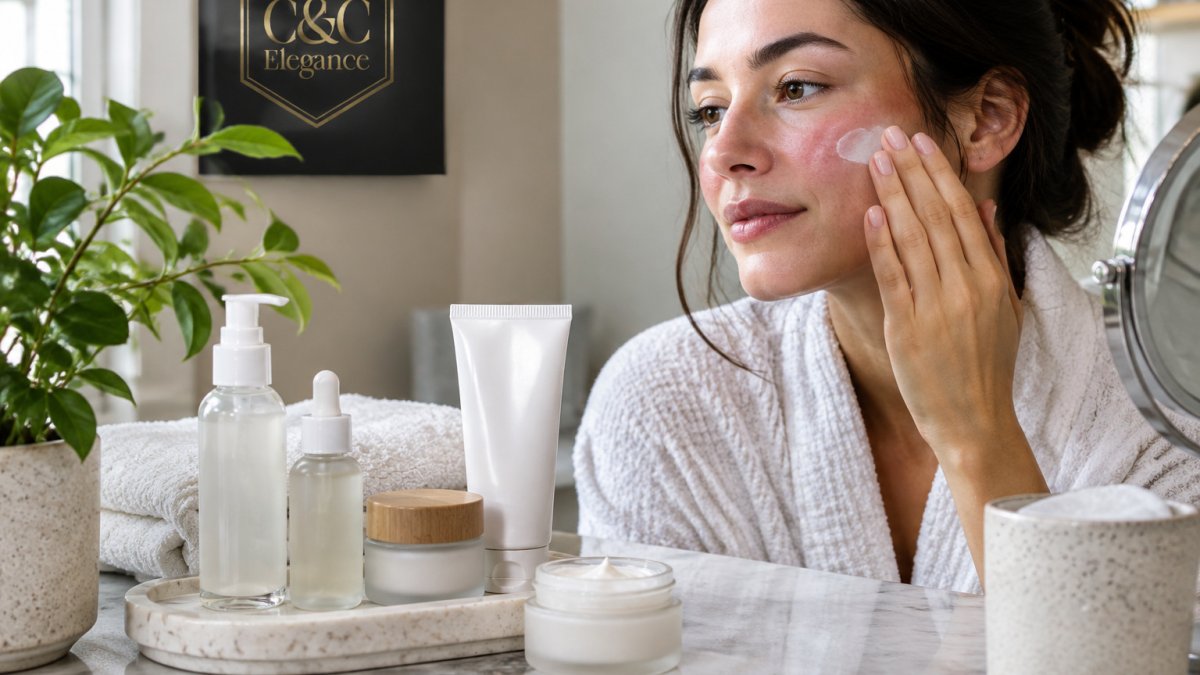
To patch test: apply a small amount to your wrist or behind your ear, wait 48 hours, then apply to your jawline for 7-10 days. If irritation develops, stop immediately.
Keep a simple product diary noting date, product name, and any changes (redness, itching, dryness, breakouts, or improved texture). Change one variable at a time; after 2-3 weeks you'll know which botanicals your skin tolerates.
Common botanical irritants include lavender oil, tea tree oil, citrus extracts, and mint.
For sensitive or sensitised skin, simpler formulations with fewer ingredients and no essential oils perform better. Consistent hydration with a nourishing moisturiser supports your skin barrier.

Key Takeaway Patch testing is not optional, it's the fastest way to build a skincare routine that works for your skin, not against it.
Frequently Asked Questions
How can you tell whether botanical skincare is backed by evidence?
Check ingredient lists for botanicals with documented skin benefits, such as calendula for soothing or Centella asiatica for barrier repair. Reputable brands disclose their research methodology and third-party testing results. Avoid vague claims like 'clinically proven' without supporting data. Medical grade botanical skincare should list active botanical concentrations and explain their specific skin benefits rather than relying on marketing language alone.
What should I look for when patch testing botanical skincare products?
Apply a small amount of the product to a discrete area, such as behind your ear or on your inner forearm, and wait 24-48 hours before full application. Monitor for redness, itching, or irritation. If you have very reactive skin, start with just one new product at a time to identify any triggers. Keep a simple record of which products you tested and your skin's response. This gradual introduction method helps distinguish true sensitivity from sensitised skin caused by product overload.
Why does medical grade botanical skincare cost more than conventional drugstore options?
Medical grade formulations invest in high-purity active botanicals, research-backed concentrations, and rigorous quality control. Products are often formulated by specialists with advanced credentials and undergo third-party testing for safety and efficacy. The sourcing of ethical, sustainable botanical ingredients adds cost. These products are designed to deliver measurable results for sensitive or compromised skin rather than relying on fillers or synthetic fragrances. You're paying for efficacy, purity, and transparency in formulation.
Sensitive skin demands thoughtful care, not guesswork. Medical grade botanical skincare removes the uncertainty by combining plant science with clinical standards. Our products at C&C Elegance are formulated by Dr. Chantal B using high-purity botanicals free from synthetic chemicals and artificial fragrances, designed specifically for skin that needs genuine gentleness. Shop All and discover how botanical precision can transform your routine.
Shop Now
Comments